
Biological Age vs. Calendar Age
Why Your Body Doesn't Have to Match Your Birthday
"Age is just a number."
Imagine two people celebrating their 50th birthday. One stays physically active, sleeps well, maintains good metabolic health, and feels energized throughout the day. The other may struggle with poor sleep, reduced fitness, elevated blood sugar, or other health challenges.
On paper, they're exactly the same age. Inside their bodies, however, the story may be very different.
Scientists use the concept of biological age to help describe these differences. While your chronological age is simply the number of years since you were born, biological age attempts to estimate how your body is aging based on measurable biological characteristics.
It's an increasingly important area of longevity research because it shifts the conversation from simply how long we've lived to how well we're aging.
Two Clocks Are Ticking

Clock #1: Calendar Age
This clock never changes. Every birthday adds exactly one year. Everyone ages chronologically at the same pace.
Clock #2: Biological Age
This clock is different. It reflects the cumulative effects of:
- Nutrition
- Physical Activity
- Sleep
- Stress
- Smoking
- Alcohol
- Environmental Exposures
- Genetics
- Metabolic Health
Unlike your birthday, this clock may speed up—or slow down—depending on how you live. Scientists are now trying to understand exactly why.
Can Scientists Really Measure Biological Age?
Not exactly—but scientists are becoming increasingly sophisticated at estimating it. There is no single universally accepted biological-age test. Instead, researchers use different biomarkers to examine different aspects of aging.

1. DNA Methylation (Epigenetic Clocks)
Not exactly—but scientists are becoming increasingly sophisticated at estimating it. There is no single universally accepted biological-age test. Instead, researchers use different biomarkers to examine different aspects of aging.
One of the most exciting developments in aging research has been the creation of epigenetic clocks. Throughout life, small chemical tags called DNA methylation naturally change. By analyzing thousands of these changes, scientists can estimate biological age with remarkable accuracy.
Some of the best-known clocks include:
- Horvath Clock
- GrimAge
- DunedinPACE
These clocks are now widely used in longevity research and clinical studies.
2. Glycan-Based Tests
Another approach studies glycans—complex sugar molecules attached to proteins. Changes in these molecules appear to reflect inflammation and immune system aging. Commercial tests such as GlycanAge are based on this concept.
3.Blood Biomarkers
Some biological-age models combine common clinical measurements such as:
- Blood Glucose
- Cholesterol
- Inflammatory Markers
- Kidney Function
- Liver Function
- Immune-system Markers
Because these measurements reflect several aspects of physiological health, researchers can combine them mathematically to estimate biological aging.
4. Proteomics
A newer frontier involves proteomics—the large-scale study of proteins in the body. Thousands of proteins circulate in our blood, and their patterns change as we age. Researchers are investigating whether these protein signatures can provide increasingly detailed information about biological aging and age-related health.
No Single Test Tells the Whole Story
DNA methylation, glycans, blood biomarkers, and proteomics measure different aspects of biology. That's why two biological-age tests can give the same person different results. Rather than thinking of biological age as one definitive number, it is better understood as an evolving set of tools scientists use to study how aging occurs across multiple biological systems.
Why Do We Age?
Aging was once described largely as accumulated "wear and tear." Today, scientists know the process is considerably more complex. In 2023, researchers updated the influential Hallmarks of Aging framework to describe 12 interconnected biological processes associated with aging.

Rather than one mechanism determining how we age, these processes interact with one another over decades. Several of these areas are particularly relevant to today's healthy-aging research.
Three Concepts You'll Hear Again and Again
NAD⁺ — Your Cells' Energy Helper
Every cell in your body depends on a molecule called NAD⁺. It helps convert food into energy, supports DNA repair, and enables many enzymes involved in normal cellular function. Research has shown that NAD⁺ levels tend to decline with age in many tissues. This has made NAD⁺ metabolism one of the most active areas of longevity research.
Sirtuins — The Cell's Maintenance Crew
Sirtuins are proteins that help regulate metabolism, DNA repair, and cellular responses to stress. Interestingly, they require NAD⁺ to function. Scientists continue investigating how exercise, nutrition, calorie balance, and naturally occurring compounds may influence these pathways.
Cellular Senescence — When Cells Stop Working Properly
Not all old cells die. Some enter a state called cellular senescence. These cells stop dividing but remain metabolically active. Researchers are studying how they influence inflammation, tissue health, and the aging process. It's one of the hottest topics in modern geroscience.
Can You Lower Your Biological Age?
This is the question everyone wants answered. The honest answer is: Maybe—but not with a magic pill.
Several studies have reported improvements in biological age estimates following interventions such as:
- Regular exercise
- Weight loss
- Improved sleep
- Better metabolic health
- Healthier dietary patterns
However, different biological age tests measure different aspects of aging, so results can vary. Scientists are still working to determine how much these changes translate into long-term health outcomes.
The Biggest Surprise? Lifestyle Still Wins.
Despite all the excitement surrounding longevity science, the strongest evidence continues to point to familiar habits. If you want to support healthy aging, focus on:
Move Every Day
Aim for regular aerobic activity and include resistance training to help maintain muscle mass and strength.
Eat Mostly Whole Foods
A diet rich in vegetables, fruits, legumes, whole grains, and other minimally processed foods supports overall health.
Prioritize Sleep
Sleep is essential for recovery, metabolism, immune function, and cognitive performance.
Manage Stress
Chronic stress may contribute to biological changes associated with aging.
Stay Connected
Strong social relationships have consistently been linked with better health and longevity.
These habits remain the foundation of healthy aging.
Where Do Supplements Fit?
At Arcwell, we believe supplements should complement a healthy lifestyle—not replace it. Several ingredients continue to receive attention in longevity research because they target different aspects of healthy aging.
NMN
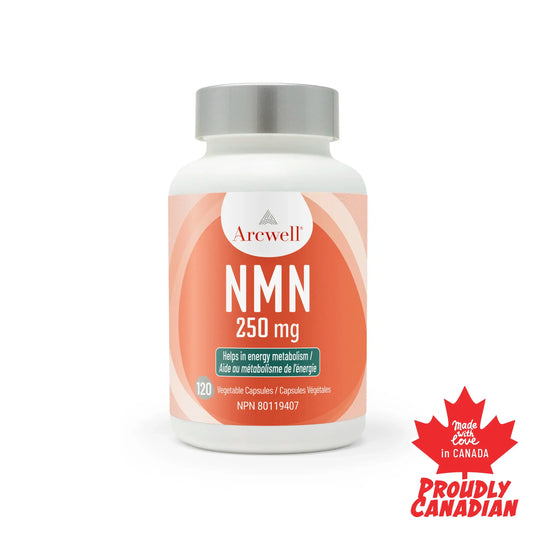
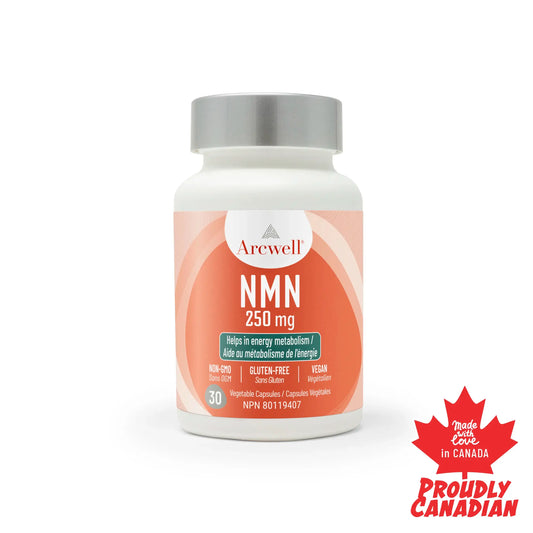
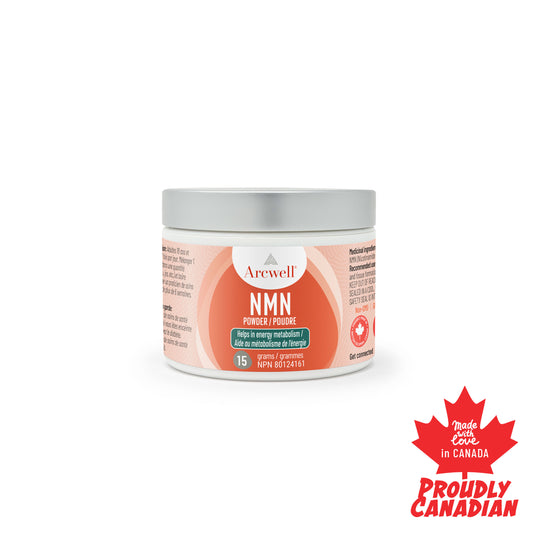
NMN is a precursor used by the body to produce NAD⁺. Human clinical studies have shown that NMN supplementation can increase NAD⁺ levels and have investigated outcomes such as insulin sensitivity and physical performance in specific populations.
trans-Resveratrol
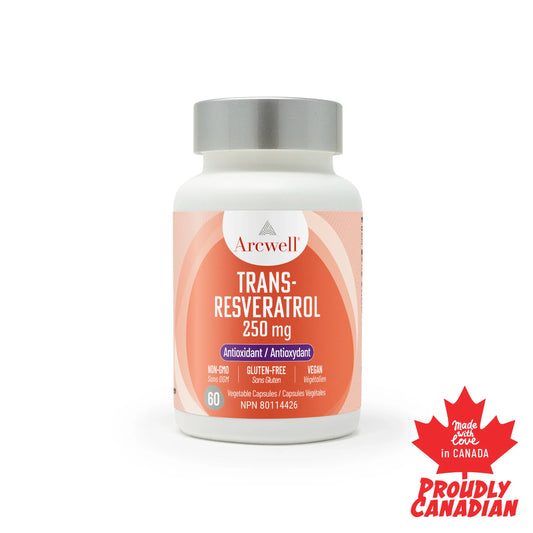
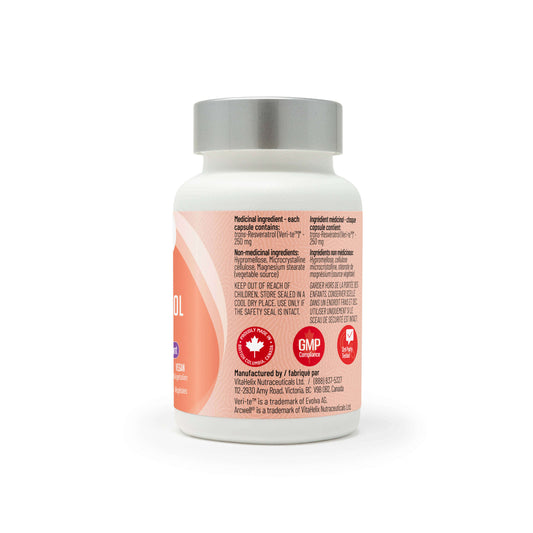
Trans-resveratrol is a naturally occurring polyphenol that has been studied for its role in cellular stress-response pathways, including those involving sirtuins. Human research has explored its effects on vascular function, metabolism, and cognition, though findings vary.
Fisetin
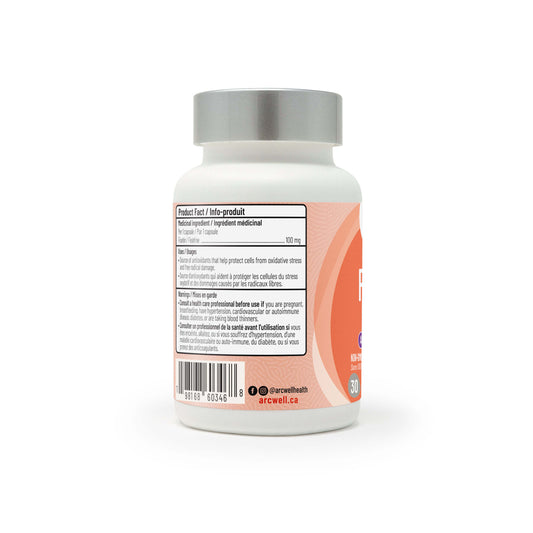
Fisetin is a flavonoid naturally found in foods such as strawberries and apples. Researchers continue to investigate its potential role in cellular senescence and healthy aging. Early human studies have explored effects on inflammatory biomarkers, while larger clinical trials are ongoing.
Healthy Aging Is a Journey, Not a Number
Your biological age is not a grade. It's not something to fear or obsess over. Instead, think of it as another reminder that daily choices matter.
Every nutritious meal. Every walk. Every strength-training session. Every good night's sleep. These seemingly small decisions add up over time.
While we can't stop the passage of time, we can make choices that help us age with greater strength, resilience, and vitality. At Arcwell, that's exactly what we believe healthy aging is all about.
New to Arcwell?
If you're exploring Arcwell for the first time, you can receive 20% off your first order. Use code TWENTYOFF4YOU at checkout.
First orders only. Additional terms and exclusions may apply. Cannot be combined with other offers.
Key Takeaways
- Chronological age is the number of years since you were born.
- Biological age estimates how well your body is functioning compared with others your age.
- Scientists use DNA methylation, glycans, blood biomarkers, and other tools to estimate biological age.
- Lifestyle remains the most evidence-supported way to promote healthy aging.
- NMN, trans-resveratrol, and fisetin are promising areas of longevity research, but they should complement—not replace—healthy habits.
References
- López-Otín C, Blasco MA, Partridge L, Serrano M, Kroemer G. Hallmarks of Aging: An Expanding Universe. Cell. 2023.
- Teschendorff AE, Horvath S. Epigenetic ageing clocks: statistical methods and emerging computational challenges. Nature Reviews Genetics. 2025.
- Moqri M, Poganik JR, Horvath S, Gladyshev VN, et al. What makes biological age epigenetic clocks tick. Nature Aging. 2025.
- Conole ELS, Robertson JA, Smith HM, Marioni RE, et al. Epigenetic clocks and DNA methylation biomarkers of brain health and disease. Nature Reviews Neurology. 2025.
- Ajoolabady A, Praticò D, Ren J, et al. Hallmarks and mechanisms of cellular senescence in aging and disease. Cell Death Discovery. 2025.
- Yoshino J, et al. Nicotinamide mononucleotide increases muscle insulin sensitivity in prediabetic women. Science. 2021.
- World Health Organization. World Report on Ageing and Health.
- U.S. Department of Health and Human Services. Physical Activity Guidelines for Americans, 2nd Edition.