
What NAD+ Actually Does After 40 (And Why Scientists Are Paying Attention)
The science of feeling younger, explained simply.
If you've noticed your energy feels different lately—even when your routine hasn't changed—you're not imagining it. For many people, this shift becomes more noticeable after 40. Recovery takes longer, endurance feels less steady, and sleep doesn't always restore you the same way it used to.
While aging is influenced by many factors, scientists have increasingly focused on one molecule that plays a central role in how our cells produce energy
What Is NAD+?
NAD+ (nicotinamide adenine dinucleotide) is a coenzyme found in every living cell in your body. In simple terms, NAD+ helps your cells convert nutrients into usable energy. It helps support:
- Cellular energy production
- Mitochondrial function
- DNA repair
- Metabolic processes
Without adequate NAD+, many essential cellular processes become less efficient.
Why NAD+ Declines With Age
Research suggests NAD+ levels naturally decrease as we get older. This decline has been associated with:
- Reduced mitochondrial efficiency
- Increased oxidative stress
- Slower cellular repair mechanisms
Scientists believe this may contribute to some of the changes commonly associated with aging, including lower energy and slower recovery.
Why This Feels So Noticeable
It’s not just about having “less energy.” It’s about your cells becoming less efficient at producing it. That’s why:
- Rest may feel less restorative
- Energy levels become less steady
- Physical recovery may take longer
This is one reason researchers have become increasingly interested in supporting NAD+ pathways.
What Does NAD+ Actually Do?
1. Supports Cellular Energy Production
NAD+ is essential for mitochondrial function. Mitochondria are often referred to as the “power plants” of the cell because they generate the energy your body relies on every day. Without NAD+, this process becomes less efficient.
2. Helps Activate Sirtuins
NAD+ helps activate enzymes called sirtuins, which are involved in cellular stress responses, metabolic regulation, and DNA maintenance. Sirtuins are one reason NAD+ has become a major area of longevity research.
3. Supports DNA Repair
Your cells experience constant damage from oxidative stress, environmental exposures, and Normal metabolic activity. NAD+ is required for enzymes known as PARPs, which help support the body's natural DNA repair processes.
Where NMN Fits In
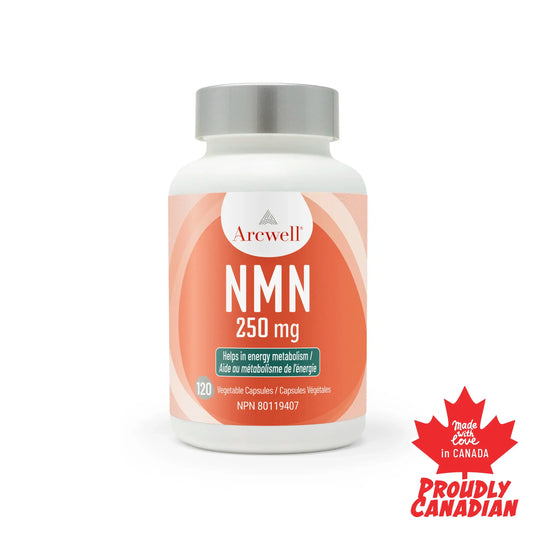
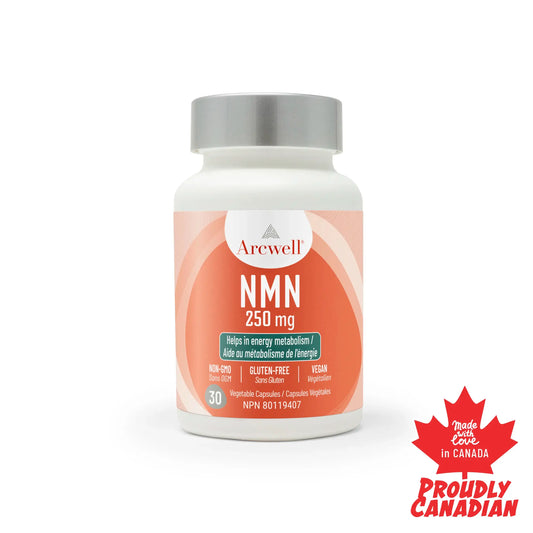
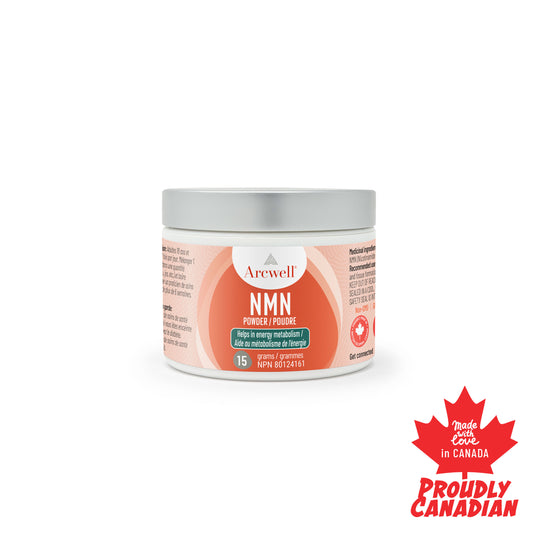
NMN (nicotinamide mononucleotide) is one of the most researched NAD+ precursors. Your body naturally converts NMN into NAD+, helping support cellular energy pathways. Rather than acting like a stimulant, NMN works by supporting a biological process your body already depends on.
Latest Human Clinical Research on NMN
Over the past few years, human research on NMN has expanded significantly. While the field is still developing, several clinical trials have produced encouraging findings related to NAD+ support, metabolic health, and physical function.
Key findings from recent human studies include:
- Increased NAD+ levels following NMN supplementation in healthy and middle-aged adults
- Improvements in aerobic capacity and muscle oxygen utilization in some exercise-related studies
- Improved insulin sensitivity in specific populations, including postmenopausal women with prediabetes
- A strong overall safety and tolerability profile at commonly studied doses
One of the most notable recent studies was a 2026 Nature Metabolism human clinical trial conducted by Cuenoud and colleagues at Nestlé Health Science in Switzerland.
Researchers found that:
- NMN and NR both approximately doubled circulating NAD+ levels after 14 days of supplementation
- Nicotinamide (Nam) did not produce the same sustained increase in NAD+
- NMN and NR produced broadly comparable effects on NAD+ levels

The researchers also proposed that gut bacteria may play an important role in how NMN and NR work. Their findings suggest that gut microbes may help convert NMN and NR into nicotinic acid (NA), another potent NAD+ precursor involved in raising circulating NAD+ levels.

Interestingly, the study also observed that NMN and NR appeared to influence gut microbial activity and increase levels of short-chain fatty acids (SCFAs)—compounds produced by beneficial gut bacteria that have been associated with metabolic and gut health benefits in preclinical research.
These findings add to the growing understanding that NAD+ support may involve not only cellular energy pathways, but also interactions with the gut microbiome.
Importantly, scientists continue to emphasize that while the results are promising, long-term human research is still ongoing.
Emerging Research Beyond Cellular Energy
Recent evidence also suggests NMN may have broader effects beyond cellular energy pathways.
A 2026 systematic review and meta-analysis published in Nutrients, analyzing 10 randomized controlled human trials involving 349 participants, found that NMN supplementation was associated with a modest reduction in resting diastolic blood pressure. Researchers also observed potentially greater benefits for systolic blood pressure in adults over 60, although they emphasized that larger and longer-term studies are still needed.
The researchers noted that the observed reductions were relatively small, but potentially meaningful from a long-term cardiovascular health perspective. At the same time, they stressed that NMN should not be viewed as a replacement for established lifestyle approaches such as exercise, nutrition, sleep, and medical care when appropriate.
What About NR and Other NAD+ Precursors?
You may have seen comparisons between NMN and other NAD+ precursors, such as nicotinamide riboside (NR). Current human studies suggest both NMN and NR can effectively increase NAD+ levels.
Some comparison studies suggest there may be differences in how efficiently they raise NAD+ under certain conditions, but these differences are generally modest and still being actively researched.
More importantly, most studies measure NAD+ in blood, which provides a useful signal—but doesn’t fully capture what’s happening in tissues like muscle or brain.
In practice, consistency likely matters more than chasing small differences between precursors.
A More Complete Approach to Healthy Aging
Supporting cellular energy is rarely about one single compound. The broader picture still matters:
- Prioritize sleep quality and recovery habits
- Maintain regular physical activity and movement
- Focus on nutrition and stress management
- Value long-term consistency over extremes
NAD+ support may simply be one part of a more comprehensive approach to healthy aging and long-term wellness.
Final Thoughts
The growing interest in NAD+ reflects a larger shift in how we think about aging. Instead of focusing only on surface-level energy, researchers are studying how cellular function cha. While no supplement replaces the fundamentals of health, supporting NAD+ pathways remains one of the most scientifically interesting areas in longevity research today.
If you’re interested in learning more about NAD+ support and NMN, you can explore our collection here:
Selected Human Research References
- Yoshino et al., Science, 2021
- Irie et al., Endocrine Journal, 2020
- Liao et al., Journal of the International Society of Sports Nutrition, 2021
- Pencina et al., Journal of Clinical Endocrinology & Metabolism, 2023
- Cuenoud et al., Nature Metabolism, 2026 — Comparative human trial on NMN, NR, and nicotinamide
- Zhang et al., Nutrients, 2026 — Systematic review and meta-analysis of NMN supplementation and blood pressure
Disclaimer
This content is for informational purposes only and is not intended as medical advice. Always consult a qualified healthcare professional before starting any supplement. Research on NAD+ and NMN is ongoing and continues to evolve.